
5 Lessons I Learned Through Long-Term Travel: Part One
What nearly two years of living out of a backpack has taught me about anxiety, success, and slowing down.

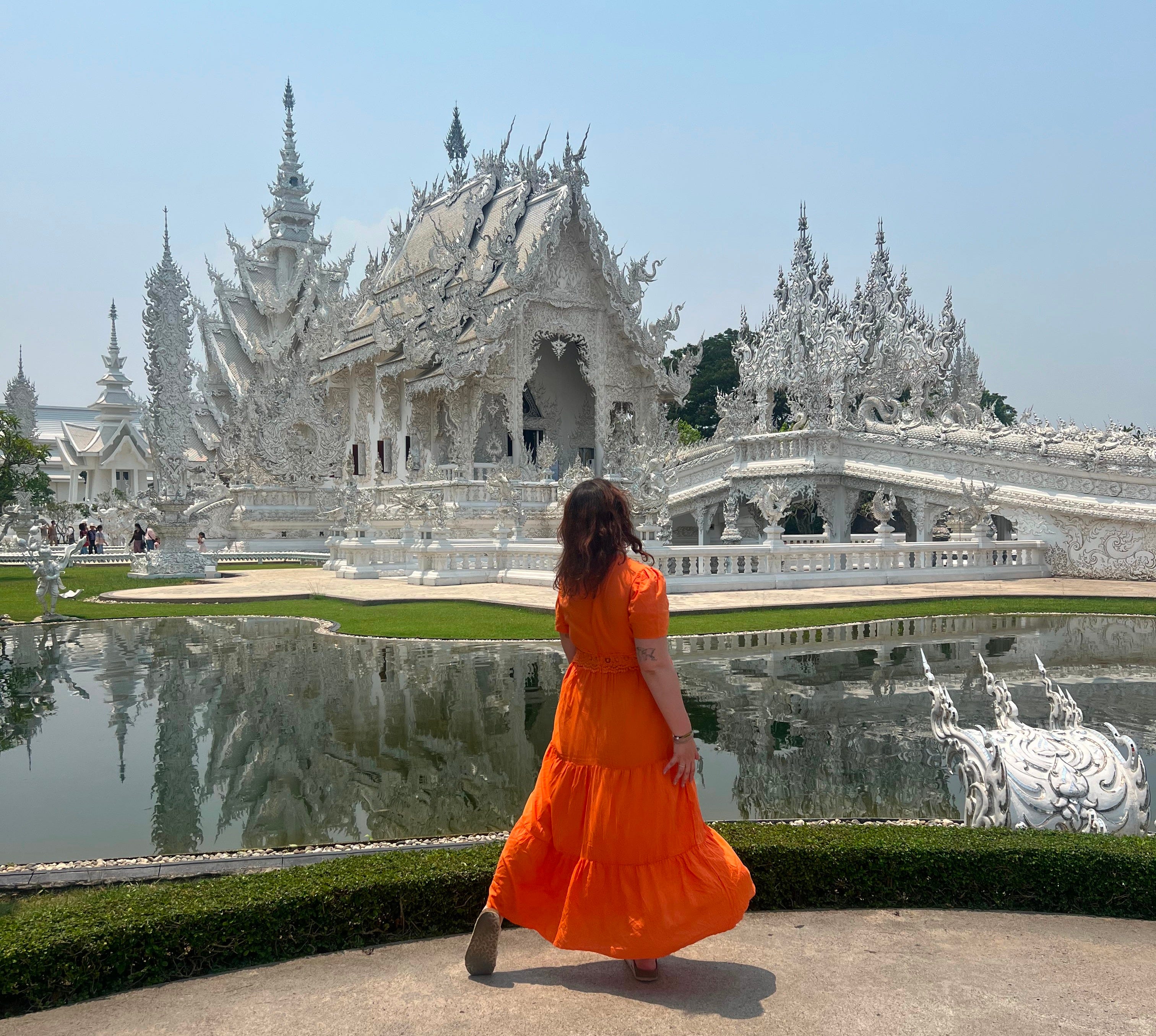
Over the past two years, I have been to over 25 different countries. In that time, I have noticed a profound change in my habits, my beliefs, and the way I move through life. But these shifts did not happen over night.
Prolonged time on the road brings forth lessons you didn’t even know you needed to learn, often in the most unexpected moments. They slow up slowly — on buses, in hostel common areas, and on quiet city streets. When you pause to reflect on what travel is teaching you, you realize the entire world is a classroom.
These are the first five lessons long-term travel has taught me.
1. Anxiety flourishes in stagnancy
Perhaps the earliest realization I had during my travels was how powerful my anxiety became in monotony.
After a rough breakup at the beginning of 2023, my healing process was greatly hindered by my desk job. Mundane, repetitive tasks and long hours behind a screen enabled my mind to race, to wander, to catastrophize. This type of work didn’t feel rewarding; it felt suffocating. Sometimes I would have to escape to the bathroom or my car to cry, wondering if I would ever feel okay.
The only relief I found that year came from traveling, and it inspired me to take that passion further. Across Portugal, Italy, Albania, Montenegro, Hungary, and Austria, I was actually at peace. I barely had time to rest, let alone worry. The more I saw and the more people I met, the less control my anxiety began to have, because every day was unpredictable, full, and exciting.
When I got laid off at the end of 2023, I decided to dedicate 2024 to long-term travel.
For eight months, I fluttered around Asia chasing new experiences. Stepping away from the mundane allowed me to put my anxiety into perspective and taught me how to stay present instead of retreating to a negative headspace. What once felt like a disaster began to feel like a blessing in disguise. Without that layoff, I might never have stepped away from the monotony long enough to heal truly.
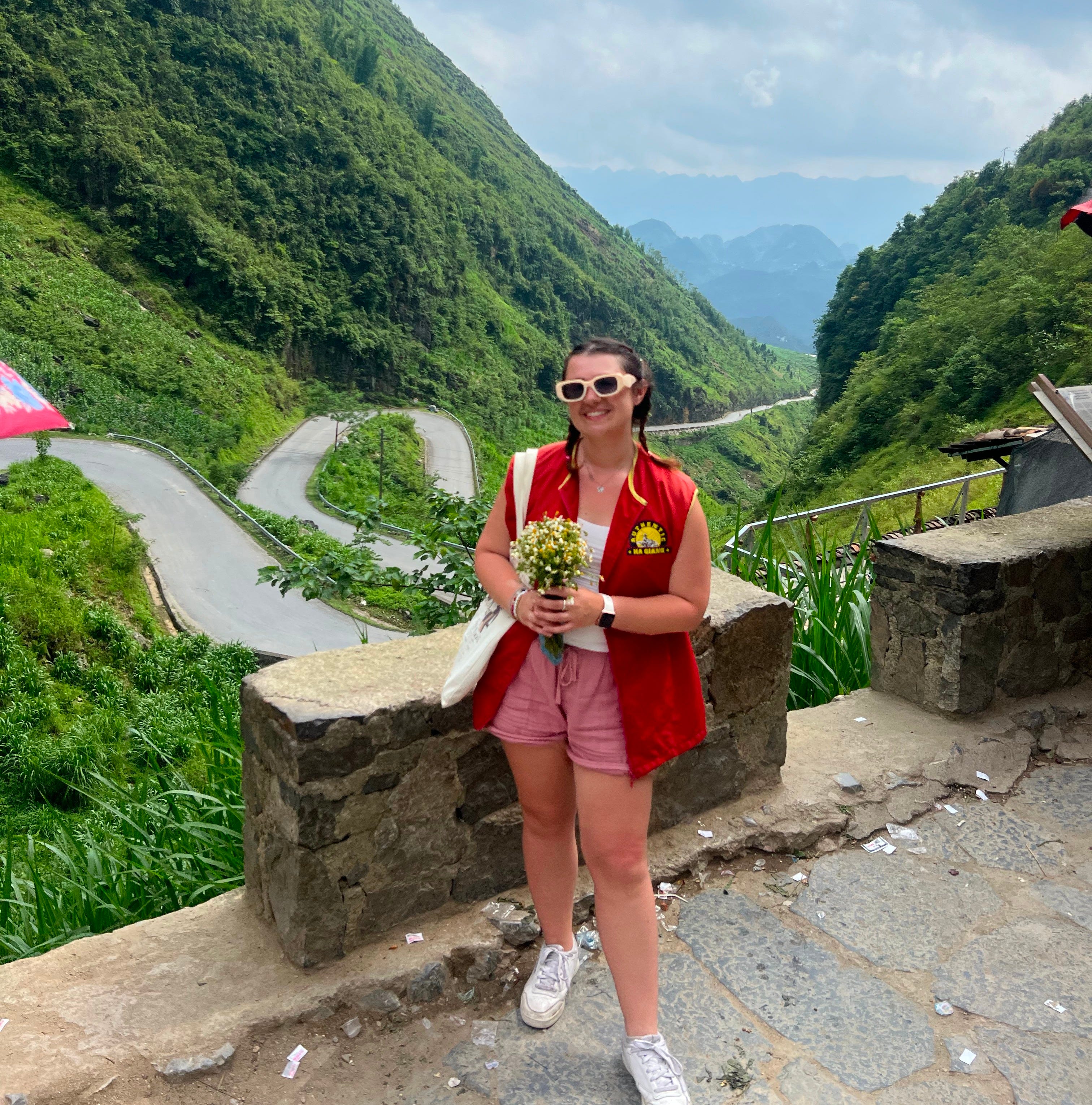
2. Travel can challenge your beliefs and ideas about what success looks like
Growing up in the United States, I was taught that success comes only from a stable career, a flashy title, and skewed productivity metrics. The only definition of success is traditional: making money was the top priority, and self-fulfillment the lowest.
You must have a meticulous plan for the next five, ten, or fifty years and devote yourself to it. Many people with traditional stability are deeply unhappy, waking up each morning dreading the day ahead. If this version of stability means misery, I don’t want it.
I began replacing old beliefs with new ones that felt more natural to me. After visiting over 20 countries in the past two years, I met countless people living fulfilling lives that don’t match the narrative I grew up with.
Success, I realized, has no universal definition.
In Italy, success is defined by strong familial bonds and savoring life’s many pleasures. In the Balkans, it can mean feeling secure within a community. In Thailand, success is rooted in peace and contentment with what you have.
Travel forces you to sit with different belief systems long enough to question your own. You may not adopt every philosophy you encounter, but each one leaves you with something worth keeping.
3. Your reason for traveling could be wildly different from someone else’s
Hostels often serve as classrooms for human motivation. After meeting hundreds of travelers, I’ve learned that everyone is searching for something different.
As someone who loves cultural immersion, local interaction, and history, I found myself gravitating towards those with similar mindsets. But not everyone travels for that.
In Thailand, I’d meet travelers who would spend their entire day sleeping or hungover, only coming to life when happy hour began at the bar. Their entire trip revolved around the next $2 beer. A fellow traveler once told me, “I only travel to party. Who cares about culture?”
In Lithuania, I met an 18-year-old who had proudly ‘speedran’ through 20 countries, never staying longer than two days in each place. He couldn’t understand why anyone would linger anywhere longer.
At first, encounters like these frustrated me. How could someone travel halfway across the world and not want to understand it?
But over time, I realized that I had no right to judge anyone for their motives. After all, travel is deeply personal. We’re all searching for something, whether it be healing, an escape, fun, connection, or identity. The only motivations that truly matter are our own.
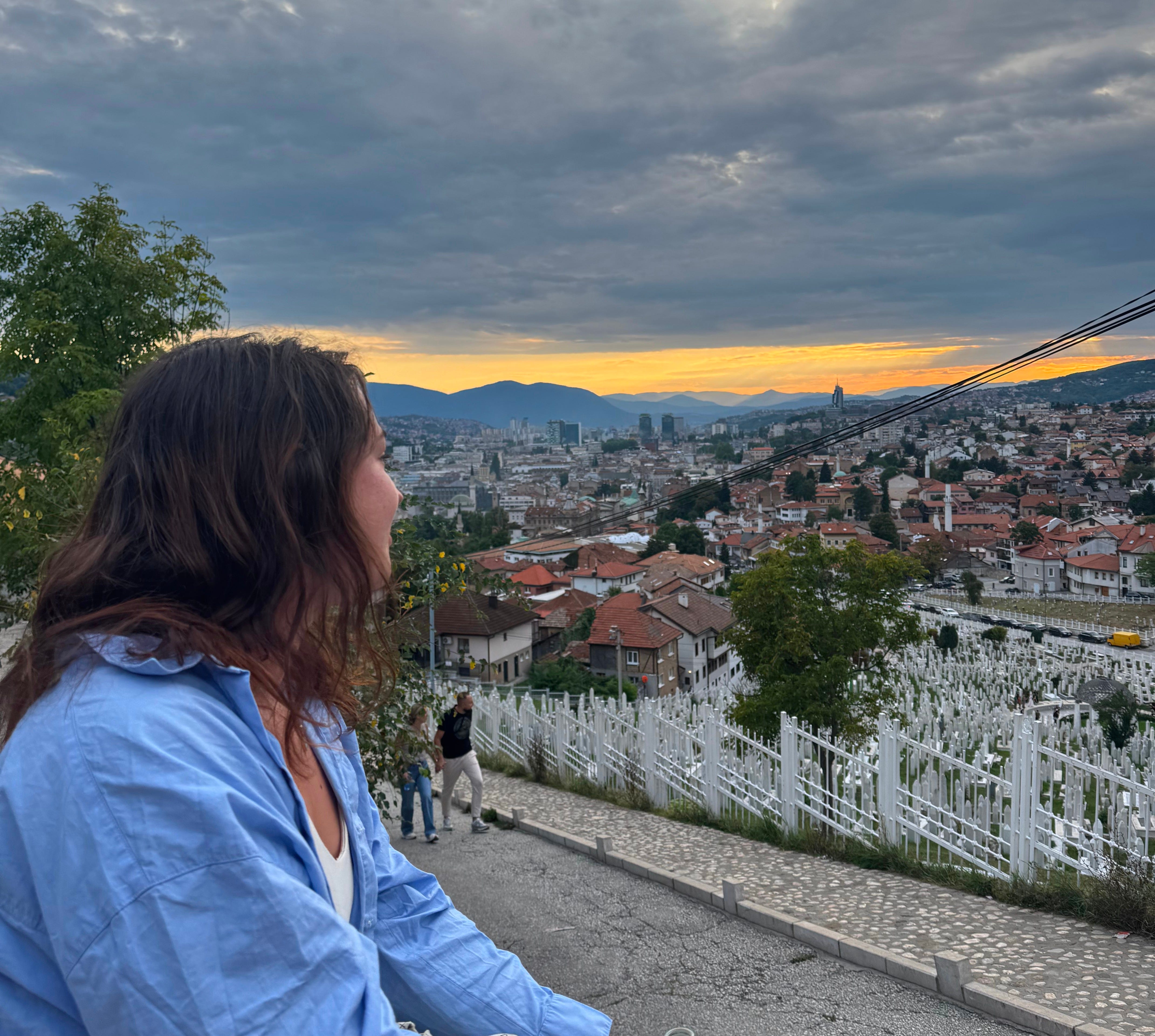
4. Traveling is a marathon, not a sprint
The digital age can often make travel feel like a competition. Influencers and content creators seem to race around the globe on a mission to visit every country for reasons that feel disingenuous and performative, mostly for personal gain and clout.
Some people just want bragging rights, photo evidence, and another flag to add to their Instagram bios.
Consuming this kind of content can make the average traveler feel like they’re falling behind. I have heard people apologize for “only” visiting ten countries, as if travel were a leaderboard instead of a privilege.
However, travel was never meant to be measured in numbers. Instead, it is meant to be measured in moments shared with loved ones, new friends, and locals. It is meant to enrich our lives and give us deeper understanding in different cultures.
Slow travel is important because it allows us to explore a destination at our own pace. The longer we linger, the more we deepen our connection to a place.
5. The people you surround yourself with will make or break a place
The destination matters, but the people matter more.
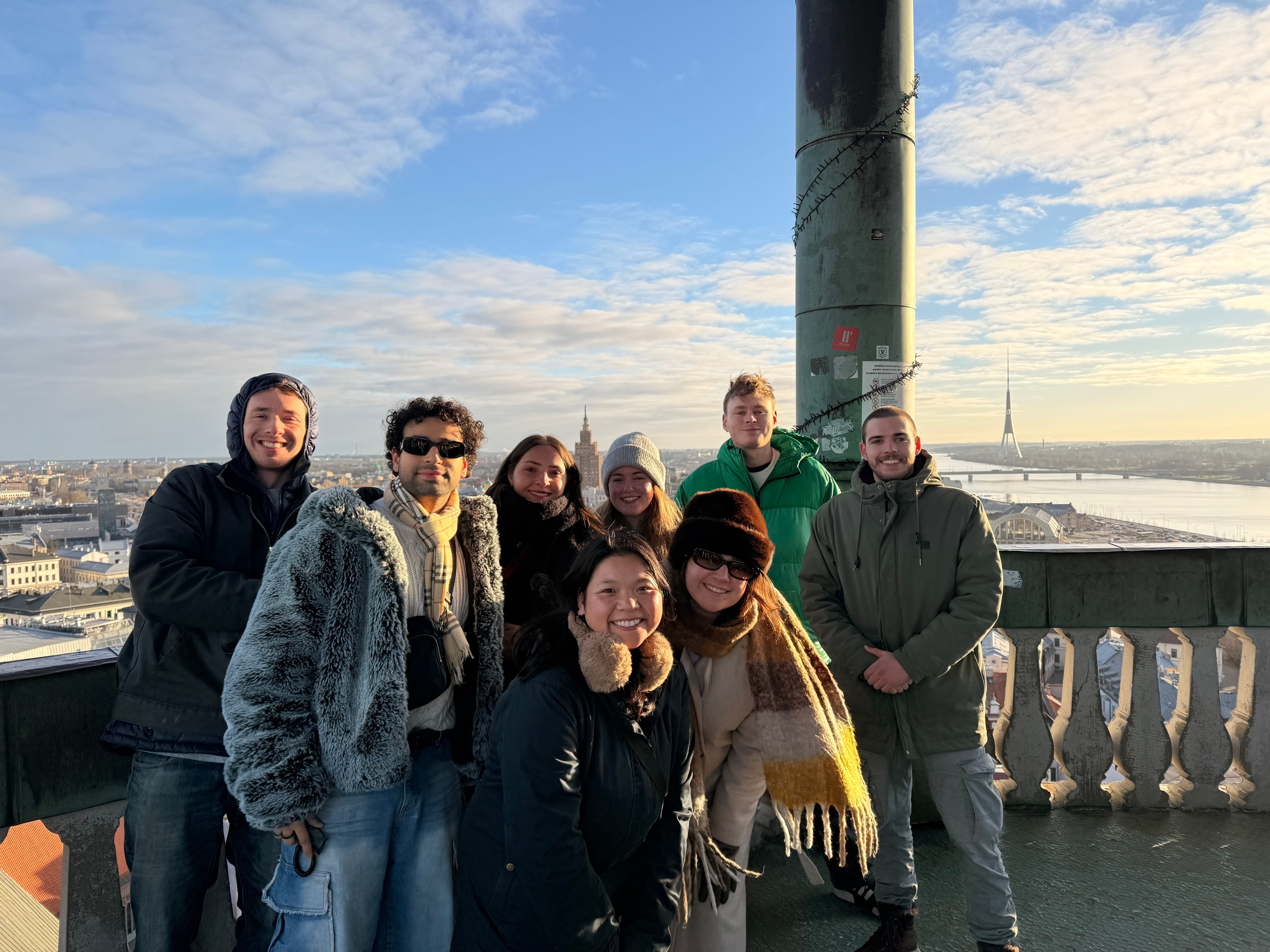
Travel compresses friendships in a particularly special way. In hostels, you’ll often find that the person you met that morning will feel like a lifelong friend by sunset. Over meals, bus rides, and sharing a dorm room, you share stories and pieces of yourselves that would normal take months to reveal to a new friend at home.
These short yet intense connections become inseparable from the places they happen. I have fallen in love with places that were not on the top of my bucket list solely because of the company I kept while there. I even discovered new destinations that weren’t originally on my radar because I chose to join a new friend for part of their journey.
A lot of the time, you end up staying in contact with these friends longer than you would have thought, visiting them in their home towns and planning future trips together.
When I look back on certain places even years later, the first thing that often comes to mind are the memories I made with the ones I met there. I may not remember the exact details of a tour or a museum, but I remember the people I swapped stories in hostel common room and the fast friends I danced the night away with at a local bar.
A place becomes more vibrant when you spend your time with the right people.
The funny thing about travel is that the lessons you hold onto never arrive all at once. They emerge slowly from the background and gain traction until one day you realize your perspective has completely shifted.
This article is just the first installment of my “5 Lessons I Learned Through Long-Term Travel” Series. There is plenty more to come.
This is beautifully written!
Absolutely love this! People truly do make or break a place. There are some cities that I didn’t like very much but met the most amazing people, turning it into a cherished memory